Understanding Shingle Exposure and Overlap
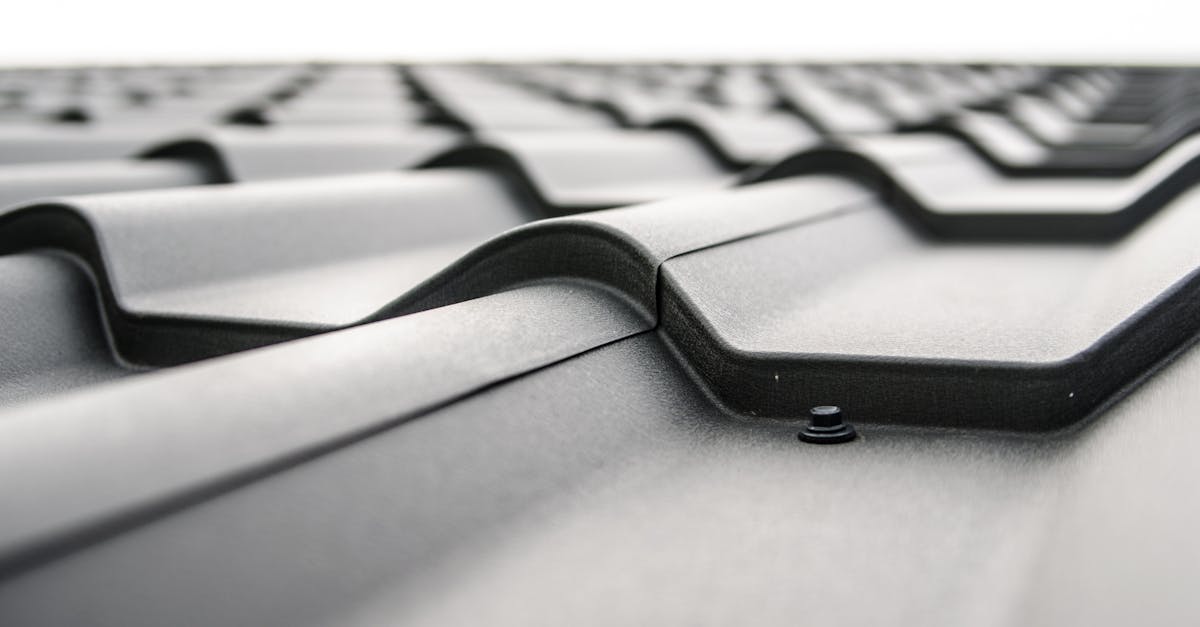
Table Of Contents
How to Measure Shingle Overlap
Measuring shingle overlap is crucial for ensuring the longevity of a roof. Start by determining the length of the shingles being used. Take a tape measure to assess the total exposure area on the first course, ensuring that any manufacturer's specifications are noted. This step ensures the proper overlap and installation while minimizing the risk of leaks.
Next, place the first shingle in position and align it with the edge of the roof. From there, lay the subsequent shingle directly above it, allowing it to overlap by the manufacturer-recommended amount. The overlap typically ranges from about one to six inches, depending on the type of shingle. Measuring the amount of exposed shingle is important for maintaining consistent spacing throughout the installation process.
More tips and tricks can be found here.
Step-by-Step Guide to Measuring
Begin by gathering the necessary materials, including a tape measure, a straightedge, and a notepad. First, determine the start point on the roof where the first shingle is placed. Measure the width of the shingles you are using, as this will help you understand how much overlap is needed for proper installation. It is essential to note the manufacturer’s specifications regarding exposure and overlap, so have that information on hand before you start measuring.
Next, position the straightedge along the bottom edge of the first shingle. This ensures you have a consistent baseline for your measurements. Proceed to measure the exposure, which is the portion of the shingle visible once it is installed. Record this measurement, as it will guide you in installing each subsequent shingle. Continue this process along the length of the roof to ensure uniformity and compliance with the required specifications.
Recommended Shingle Exposure Values
The recommended exposure values for asphalt shingles typically range from five to six inches. This measurement is crucial for ensuring proper water shedding and maximizing the lifespan of the roof. Choosing the right exposure can influence not only the roof's functionality but also its overall aesthetic appearance. Adhering to manufacturer guidelines is essential, as each brand may have specific recommendations based on shingle design and intended application.
Different types of shingles may have varying exposure values due to differences in size, thickness, and material properties. For example, three-tab shingles often require a different exposure compared to architectural shingles. It is critical to verify recommendations from the manufacturer, which may also be influenced by regional climate and building codes. These factors ensure that the roofing system performs effectively under local weather conditions while maintaining visual harmony with the home’s exterior design.
Variations by Shingle Type
Different types of shingles come with unique guidelines regarding exposure and overlap measurements. Asphalt shingles, one of the most common types, typically have a standard exposure of five to six inches. Wood shingles, on the other hand, often require greater exposure due to their natural expansion and contraction, generally ranging from six to eight inches. Metal roofing systems also differ from traditional shingles, usually featuring a seamless installation that emphasizes overlap to ensure proper drainage and wind resistance.
The design and thickness of shingles can further influence exposure recommendations. Architectural shingles, which have a more dimensional appearance, may necessitate different exposure values compared to traditional three-tab shingles. Similarly, synthetic and slate shingles exhibit distinct requirements. Homeowners must consider these variations carefully to achieve optimal performance and aesthetic appeal in their roofing projects. Continuous learning about these variations can assist in selecting the right materials for specific needs.
Adjusting Exposure for Aesthetic Appeal
Finding the right balance between functionality and aesthetic appeal in roofing requires careful consideration of shingle exposure. Slight adjustments in exposure can have a significant impact on the overall look of the roof. Homeowners often seek a striking design that enhances curb appeal while ensuring the roof performs effectively. The angle at which shingles are installed can create different visual patterns. Subtle variations can transform a mundane roof into a standout feature.
It's essential to keep in mind that certain architectural styles may call for specific exposure levels. Traditional designs might prefer a more uniform appearance with less exposure, while contemporary styles can accommodate a varied look with wider overlaps. Each type of shingle offers unique design possibilities. As a result, selecting the right exposure involves not only technical measurement but also an artistic approach to achieve the desired visual effect.
Balancing Functionality and Appearance
Shingle exposure plays a vital role in both the performance and visual appeal of a roof. Proper overlap ensures water drainage and prevents leaks while contributing to the overall integrity of the roofing system. Selecting the right exposure can enhance a roof’s resilience against harsh weather conditions. At the same time, it allows for creative expression through different patterns and aesthetics.
Achieving a balance between functionality and appearance is crucial for any roofing project. Homeowners often seek a design that complements their property while also ensuring long-lasting protection. Choosing shingles that provide a suitable overlap enhances durability and contributes to a polished look. A thoughtful approach enables homeowners to enjoy a roof that is both effective in protecting their home and visually appealing.
FAQS
What is shingle exposure?
Shingle exposure refers to the portion of a shingle that is visible after it has been installed on a roof. It is the area that contributes to the roof's overall appearance and protection against the elements.
How do I measure shingle overlap?
To measure shingle overlap, you should first determine the total length of the shingle and then measure how much of the shingle covers the one below it. This can typically be done with a measuring tape, ensuring you account for any manufacturer specifications.
What are the recommended shingle exposure values?
Recommended shingle exposure values can vary depending on the type of shingle used. Generally, standard exposure ranges from 5 to 7 inches, but it’s best to check with the manufacturer's guidelines for specific recommendations.
Why is adjusting shingle exposure important for aesthetic appeal?
Adjusting shingle exposure can enhance the visual interest and balance of a roof. By modifying the exposure, homeowners can create a unique look that complements their home's architecture while still ensuring proper performance.
Can I use different shingle types with varying exposures on the same roof?
While it is possible to use different shingle types on the same roof, it is essential to ensure that the exposure values are compatible to maintain a uniform look and effective water drainage. Always consult with a roofing professional for guidance.
Related Links
How Weather Conditions Affect Shingle InstallationThe Importance of Roof Valley Design in Shingle Installation