The Role of Roof Coatings in Commercial Maintenance
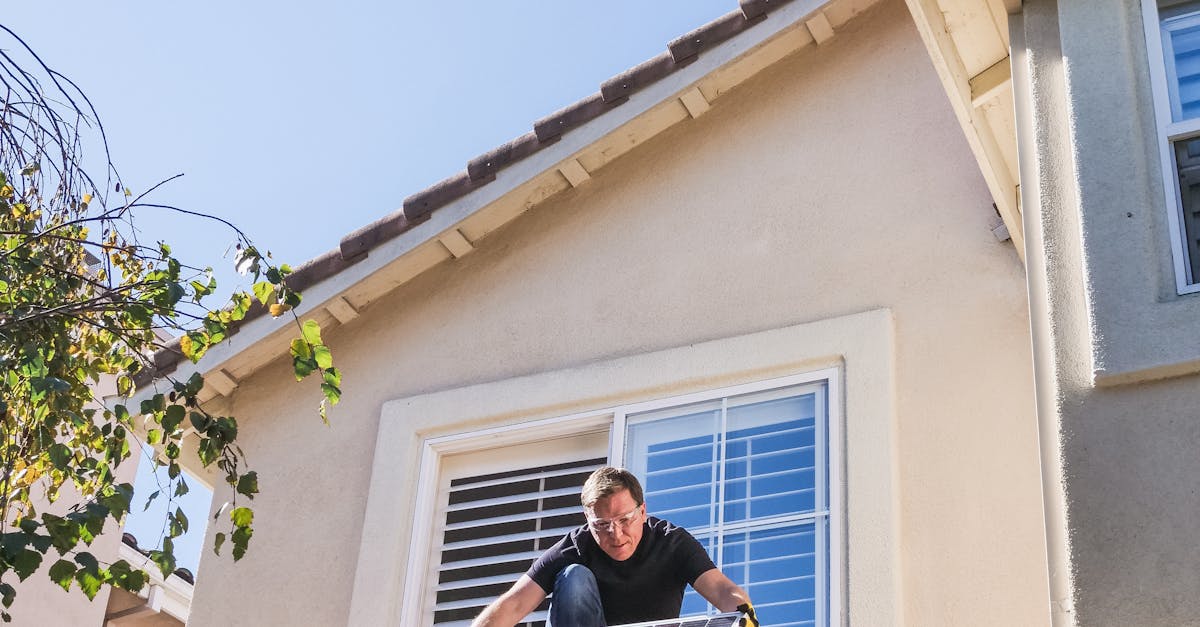
Table Of Contents
Application Process of Roof Coatings
The application process of roof coatings involves several critical steps to ensure a durable and effective finish. Proper preparation of the roof surface is essential, requiring thorough cleaning to remove dirt, debris, and any existing loose materials. Depending on the coating type, additional steps may include repairing any damages, such as cracks or punctures, and allowing adequate time for any repairs to cure. The next phase involves checking weather conditions to determine the optimal time for application, as temperature and humidity can greatly affect adhesion properties.
Once the surface is prepared, the actual application of the coating can begin. This typically involves using tools such as rollers, brushes, or sprayers to evenly apply the coating material across the entire roof surface. The application should be done in even coats to prevent pooling or uneven coverage. After the initial coat, it is important to allow sufficient drying time before applying subsequent layers, if necessary. Post-application inspection confirms that the coating has adhered properly and that the surface is ready for any routine maintenance in the future.
Check out this site for more information.
Steps Involved in Proper Installation
The installation of roof coatings begins with thorough preparation of the roof surface. This involves cleaning to remove any debris, dirt, or contaminants that could interfere with adhesion. After cleaning, any repairs needed, such as fixing leaks or replacing damaged sections, should be completed. Ensuring the roof is dry is crucial since moisture can compromise the effectiveness of the coating.
Once the surface is prepared, applying a primer may be necessary, depending on the type of coating used. The application of the roof coating itself typically follows a method that suits the specific product, whether spraying, rolling, or brushing. It’s essential to observe the manufacturer's guidelines regarding thickness and drying times. Achieving an even coat helps maximize durability and performance over time, contributing significantly to the roof’s longevity.
Common Types of Commercial Roof Coatings
There are several types of roof coatings that are widely utilized in commercial settings, each offering distinct benefits and applications. Acrylic coatings are among the most popular choices due to their ease of application and versatility. They provide excellent UV resistance and reflectivity, making them ideal for reducing heat absorption. Silicone coatings are another favored option, especially for low-slope roofs. These coatings are highly resistant to water and ponding, which enhances their durability and effectiveness in diverse weather conditions.
Polyurethane roof coatings offer superior protection against mechanical damage and UV degradation. They are particularly suited for areas with heavy foot traffic or where rooftop equipment is frequently accessed. Additionally, elastomeric coatings can stretch and contract with temperature fluctuations, providing a waterproof barrier while accommodating the movements of the roof structure. Each type of coating serves specific needs, ensuring commercial buildings maintain their integrity and performance over time.
Overview of Popular Products and Materials
Several popular products and materials are commonly used for roof coatings, each offering distinct advantages. Acrylic coatings are among the most widely applied due to their flexibility, UV resistance, and ease of application. These coatings are water-based and can be applied in various weather conditions, making them suitable for a range of environments. Another frequently chosen option is silicone coatings, known for their outstanding water resistance and suitability for flat roofs. They create seamless membranes that effectively block moisture penetration, contributing to longer roof life.
Polyurethane coatings provide excellent durability and are particularly effective in high-traffic areas. They offer superior resistance to foot traffic and can withstand harsh weather conditions. Additionally, there are asphalt-based coatings, which are often used for their adhesive qualities. They enhance the waterproofing capabilities of existing roofs and are typically applied over mineral surfaces. Selection of the appropriate coating material is vital, as it can significantly impact the longevity and performance of the roof system.
Regular Maintenance with Roof Coatings
Maintaining a commercial roof coated with specialized materials is crucial for extending its lifespan and performance. Routine inspections should be scheduled to assess the condition of the coating and the underlying roof structure. These inspections help identify early signs of wear, damage, or potential leaks that could lead to significant issues if left unaddressed. Keeping a detailed record of inspections and identified issues allows building managers to make informed decisions regarding repairs or re-coating.
Furthermore, touch-ups and minor repairs can be easily performed when maintenance is conducted regularly. This proactive approach can prevent water infiltration and damage, ensuring the roof remains effective in its protective role. Periodic cleaning of the coated surface can also enhance its reflective properties, contributing to energy efficiency. Overall, integrating maintenance into the routine care of commercial roofing systems ensures optimal performance and longevity.
Importance of Routine Inspections and Touch-Ups
Regular inspections of roof coatings play a crucial role in extending the lifespan of commercial roofs. These check-ups allow facility managers to identify any signs of wear, damage, or deterioration early. Catching potential issues before they escalate can save significant costs in repairs and replacements. A thorough inspection typically focuses on areas vulnerable to weather conditions, such as seams, edges, and penetrations.
Touch-ups are essential for maintaining the effectiveness of roof coatings. Over time, even the most robust coatings can develop minor cracks, blisters, or peeling. Addressing these issues promptly helps to restore the protective barrier, preventing leaks and further damage. Routine maintenance not only enhances the roof's performance but also contributes to energy efficiency and overall building sustainability.
FAQS
What are roof coatings and why are they important for commercial maintenance?
Roof coatings are protective layers applied to the surface of a roof. They help extend the life of the roof by providing resistance to weather elements, UV rays, and leaks, ultimately reducing maintenance costs and enhancing energy efficiency.
What is the application process for roof coatings?
The application process involves several key steps, including surface preparation, cleaning, priming (if necessary), applying the coating, and allowing it to cure. Each step is crucial to ensure proper adhesion and effectiveness of the coating.
What are the common types of commercial roof coatings?
Common types of commercial roof coatings include acrylic, silicone, and polyurethane. Each type has unique properties that make it suitable for different roofing systems and environmental conditions.
How often should roof coatings be inspected and maintained?
Regular inspections should be conducted at least twice a year, ideally in the spring and fall. Routine maintenance, including touch-ups and cleaning, is also recommended to address any wear and tear that may occur over time.
Can roof coatings be applied over existing roofing materials?
Yes, roof coatings can often be applied over existing roofing materials, provided they are in good condition and properly prepared. It’s important to consult with a professional to determine the best approach based on the specific roofing system in place.
Related Links
Essential Tools for Commercial Roof MaintenanceSeasonal Strategies for Maintaining Commercial Roofing Systems