Impact of Commercial Roofing on Sustainable Business Practices
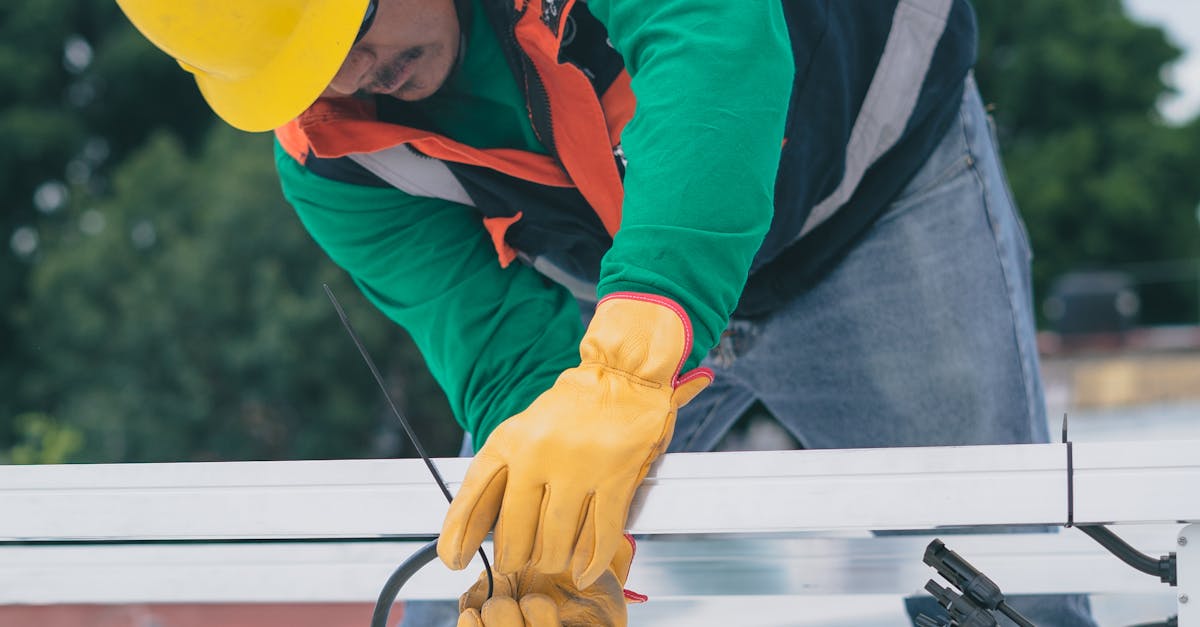
Table Of Contents
Life Cycle Cost Analysis of Roofing Options
Evaluating the life cycle costs of roofing options involves a comprehensive analysis of not just initial expenses but also ongoing maintenance and eventual replacement costs. Different materials and designs can significantly impact financial performance over time. For instance, while a traditional roofing system may require frequent repairs and replacements, modern options like green roofs or cool roofs often yield lower maintenance needs and can contribute to energy savings, thus influencing their overall cost-effectiveness.
It's essential to consider the total cost of ownership when selecting a roofing solution for commercial buildings. This includes energy efficiency throughout the roof’s lifespan and potential increases in property value. Additionally, factors such as potential tax incentives for environmentally friendly installations can also play a critical role in financial planning. A detailed assessment of these aspects can help businesses make informed decisions that align financial viability with sustainability goals.
More tips and tricks can be found here.
Long-Term Savings versus Initial Investment
Investing in sustainable roofing options often seems daunting due to higher initial costs compared to traditional materials. However, these investments frequently result in substantial long-term financial benefits that can offset the early expenditure. Durable materials tend to require less frequent replacement, and energy-efficient designs contribute to lower utility bills. Businesses can experience cost savings through reduced maintenance and fewer repairs, which further enhance the financial viability of these sustainable systems.
Many commercial property owners see the value in viewing their roofing investment as a long-term strategy rather than a short-term expense. By prioritizing sustainable practices, businesses can benefit from tax incentives and utility rebates that improve overall return on investment. Even beyond financial savings, the positive environmental impact and enhanced brand reputation often lead to increased customer loyalty and competitive advantages. Recognizing these factors fosters a more informed approach to making decisions about roofing expenditures.
Community Benefits of Sustainable Roofing
Sustainable roofing practices extend beyond environmental benefits, fostering strong community ties and enhancing local economies. Through the implementation of green roofs and reflective surfaces, businesses not only reduce energy consumption but also contribute to improved air quality and decreased urban heat. These features create healthier living conditions for nearby residents, promoting well-being and sustainability in urban areas. Local businesses can thrive through increased foot traffic generated by attractive, eco-friendly spaces, leading to a more vibrant community.
Moreover, the adaptation of sustainable roofing technologies often brings about job creation and skill development within the community. By engaging local contractors and suppliers in the roofing process, businesses support regional economies and encourage workforce growth. Educational initiatives surrounding green roofing technologies also empower residents and businesses to adopt environmentally friendly practices. This collective effort cultivates a stronger sense of community responsibility and pride, ultimately nurturing an environment where both people and nature can flourish together.
Enhancing Local Ecosystems through Smart Design
Smart design in commercial roofing plays a critical role in enhancing local ecosystems. By incorporating features such as green roofs and reflective materials, buildings can significantly reduce their urban heat footprint. Green roofs, for example, support biodiversity by providing habitats for various species, including birds and insects. This integration of nature into urban environments also helps manage stormwater runoff, minimizing flooding and promoting natural water absorption.
Additionally, sustainable roofing design can contribute to improved air quality. Vegetative roofs filter pollutants and carbon dioxide from the atmosphere, enabling better air circulation in dense urban areas. Utilizing materials with lower environmental impacts further creates a healthier setting for both inhabitants and local wildlife. Smart design choices can promote a balance between development and ecosystem preservation, fostering environments where urban living and nature coexist harmoniously.
Case Studies of Successful Sustainable Roofing Projects
Numerous businesses have embraced sustainable roofing solutions, transforming their rooftops into models of environmental responsibility and economic viability. One notable example is a major retail chain that implemented a green roofing system capable of absorbing rainwater and providing insulation. This initiative resulted in a significant drop in energy costs and contributed to a reduction in urban heat.
Another compelling case involves a technology firm that installed solar panels on its commercial building's roof. This investment not only generated renewable energy for the facility but also allowed for excess electricity to be sold back to the grid. Such initiatives highlight the multifaceted benefits of sustainable roofing, including economic savings and contributions to energy efficiency while promoting a greener community.
Real-World Examples of Commercial Success
In Los Angeles, a notable case involves a large retail chain that adopted a green roofing system on their distribution center. The installation featured a combination of vegetation and reflective materials, significantly reducing heating and cooling costs. This investment not only improved energy efficiency but also allowed the company to market itself as environmentally responsible. As a result, sales increased among eco-conscious consumers, showcasing the commercial advantages of sustainable choices.
Another impressive example comes from a corporate office in Seattle that implemented a rooftop solar panel system. This project led to a remarkable decrease in energy expenses and contributed to the local grid. The initiative garnered favorable attention from community stakeholders and positioned the company as a leader in corporate social responsibility. Both of these instances highlight how sustainable roofing solutions can yield tangible profits while enhancing brand reputation.
FAQS
What is life cycle cost analysis in roofing?
Life cycle cost analysis in roofing evaluates the total cost of a roofing system over its entire lifespan, including installation, maintenance, and energy savings, to determine the most cost-effective option.
How do sustainable roofing options provide long-term savings?
Sustainable roofing options often lead to long-term savings through reduced energy consumption, lower maintenance costs, and potential tax incentives, offsetting the initial investment over time.
What are some community benefits of sustainable roofing?
Sustainable roofing contributes to community benefits by enhancing local ecosystems, improving air quality, reducing urban heat islands, and promoting job creation in green construction sectors.
How can smart design enhance local ecosystems?
Smart design in roofing can enhance local ecosystems by incorporating green roofs, which provide habitats for wildlife, improve stormwater management, and increase urban greenery.
Can you provide examples of successful sustainable roofing projects?
Yes, successful sustainable roofing projects include the Bullitt Center in Seattle, which features a green roof and energy-efficient design, and the California Academy of Sciences, which utilizes a living roof to support biodiversity and improve energy efficiency.
Related Links
Tax Incentives for Upgrading Commercial Roofing SystemsThe Role of Roof Warranty in Commercial Roofing Benefits