Cost Analysis: Metal Roofing vs Traditional Roofing Options
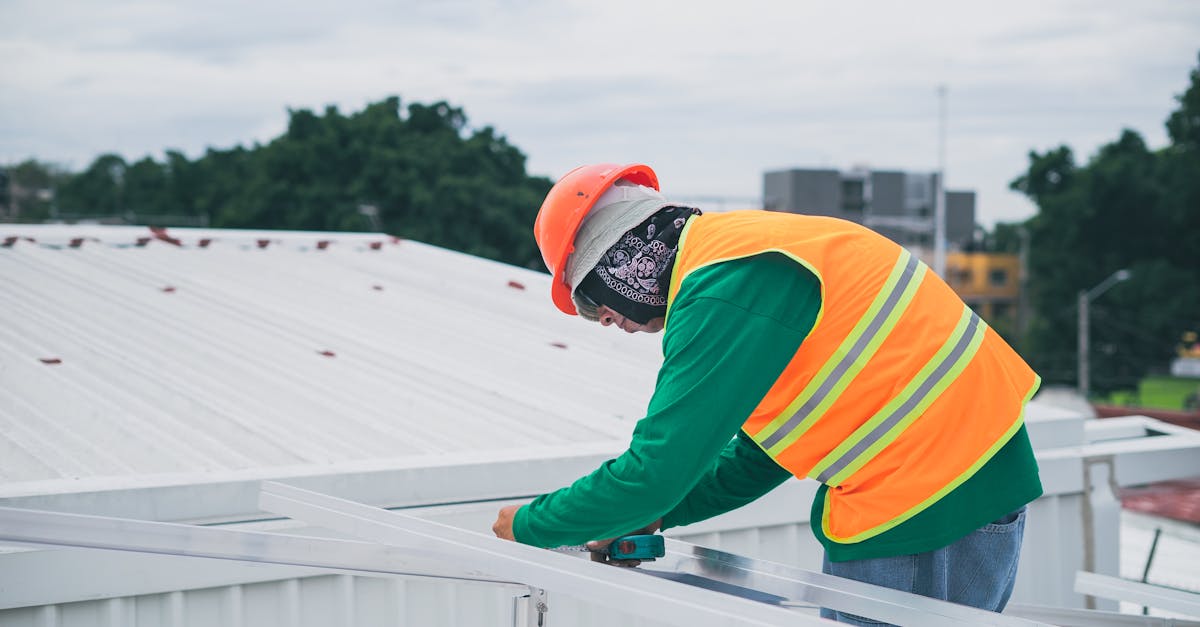
Table Of Contents
Environmental Impact
The environmental impact of roofing materials is an essential consideration for homeowners and builders. Metal roofing is often considered a more sustainable choice. It's typically made from recycled materials and can be fully recycled at the end of its life cycle. This contributes to reduced landfill waste and lowers the demand for raw materials. Unlike traditional asphalt shingles, which may contain harmful chemicals and are not recyclable, metal roofs offer a more environmentally friendly solution.
In addition to their recyclability, metal roofs reflect solar energy, which can lead to lower energy consumption for cooling in warmer climates. This energy efficiency translates into reduced greenhouse gas emissions in the long run. Alternatives like asphalt roofing generally absorb heat, contributing to the urban heat island effect. Homeowners choosing metal roofing not only benefit from its durability and longevity but also positively impact their carbon footprint over time.
Continue reading this article for more information.
Sustainability of Metal Roofing
Metal roofing stands out as a sustainable choice in the construction industry. Made from recyclable materials, many metal roofs contain a significant percentage of recycled content. This reduces the need for new raw materials and minimizes waste in landfills. Furthermore, metal roofs can last over 50 years with minimal maintenance, decreasing the frequency of replacements and associated resource consumption.
In addition to their longevity, metal roofing systems contribute to energy efficiency. Their reflective surfaces can reduce heat absorption, leading to lower energy costs for cooling buildings. This not only benefits homeowners but also diminishes the overall demand for energy resources. By opting for metal roofs, both builders and homeowners can participate in more environmentally conscious construction practices while enjoying long-term economic advantages.
Installation Process
When considering the installation of metal roofing, it is crucial to understand the differences in the process compared to traditional roofing materials. Metal roofing typically requires specialized tools and experienced professionals who are familiar with the unique properties of the metal panels. This can include pre-drilled holes for fastening, specific cutting techniques, and proper alignment to ensure that the panels fit together seamlessly to prevent issues like leaks or thermal expansion.
On the other hand, traditional roofing options like asphalt shingles tend to have a more straightforward installation process. The materials are generally lighter and can be manipulated more easily, which may allow for quicker installation by less experienced workers. However, both options necessitate an adequately prepared roof deck to maximize performance and longevity, underscoring the importance of meticulous preparation regardless of the roofing type chosen.
Comparing Installation Time and Labor
Installation time and labor costs play a significant role in the overall price of roofing projects. Metal roofing typically requires less time to install compared to traditional shingles. This efficiency arises from the large panels that can cover more area quickly, along with simplified fastening methods. Many metal roof systems are designed to be interlocked, reducing the need for elaborate underlayment or multiple layers.
Labor requirements also differ considerably between these two options. Traditional roofing materials often necessitate more skilled labor due to the detailed installation techniques required for shingles. This complexity can increase both labor costs and the installation timeline, as experienced workers are needed to ensure quality workmanship. Conversely, metal roof installations can often be handled by less specialized crews, allowing for more flexibility in hiring and potentially lower labor expenses.
Weather Resistance
When it comes to severe weather conditions, metal roofing stands out for its durability and resilience. It can withstand high winds, heavy rains, and even hail without significant damage. This robustness is due to the materials used, which are designed to resist corrosion and wear over time. Homeowners can have peace of mind knowing that metal roofs are less likely to suffer from leaks or deterioration in challenging weather compared to traditional roofing options.
In addition to wind and rain resistance, metal roofing also reflects solar heat, contributing to energy efficiency. This feature helps maintain indoor temperatures during extreme heat, reducing the need for air conditioning. When faced with snow or ice, metal roofs allow for easy shedding of these elements, minimizing the risk of ice dams that can lead to moisture issues. Overall, the performance of metal roofing in adverse weather conditions offers long-term protection for homes.
Performance in Severe Conditions
Metal roofing is renowned for its ability to withstand extreme weather events. Its resistance to high winds makes it a preferred choice in areas susceptible to hurricanes and storms. Unlike traditional shingles that can be easily lifted or torn away, metal roofs are designed to remain intact under severe conditions, helping to protect the home beneath them.
In addition to wind resistance, metal roofs offer excellent performance in heavy snowfall and freezing temperatures. The smooth surface of metal prevents snow accumulation, reducing the risk of ice dams that can lead to leaks and structural damage. This feature not only enhances the roof's longevity but also minimizes maintenance needs during harsh winters.
FAQS
What are the main cost differences between metal roofing and traditional roofing options?
Metal roofing generally has a higher upfront cost compared to traditional options like asphalt shingles. However, metal roofs often last longer and require less maintenance, which can lead to cost savings over time.
How does the installation process of metal roofing compare to traditional roofing?
The installation process for metal roofing can be quicker than that of traditional roofing materials, depending on the complexity of the structure. Metal roofs are often prefabricated and can be installed in sheets, which may reduce labor costs.
Are metal roofs more sustainable than traditional roofing materials?
Yes, metal roofs are considered more sustainable because they are often made from recycled materials and can be recycled at the end of their lifespan. Additionally, they reflect solar heat, which can reduce energy consumption.
How do metal roofs perform in severe weather conditions compared to traditional roofs?
Metal roofs typically perform better in severe weather conditions, such as heavy rain, snow, and wind. They are designed to withstand extreme temperatures and are less likely to suffer damage from hail or flying debris.
What long-term savings can I expect from choosing metal roofing over traditional roofing?
While the initial investment in metal roofing is higher, homeowners can save money in the long run due to lower maintenance costs, increased energy efficiency, and the extended lifespan of metal roofs, often lasting 40-70 years compared to 15-30 years for traditional roofs.
Related Links
Top 5 Myths About Metal Roofing DebunkedMaintenance Tips for Longevity of Metal Roofs