Common Misconceptions About Tile Roofing Explained
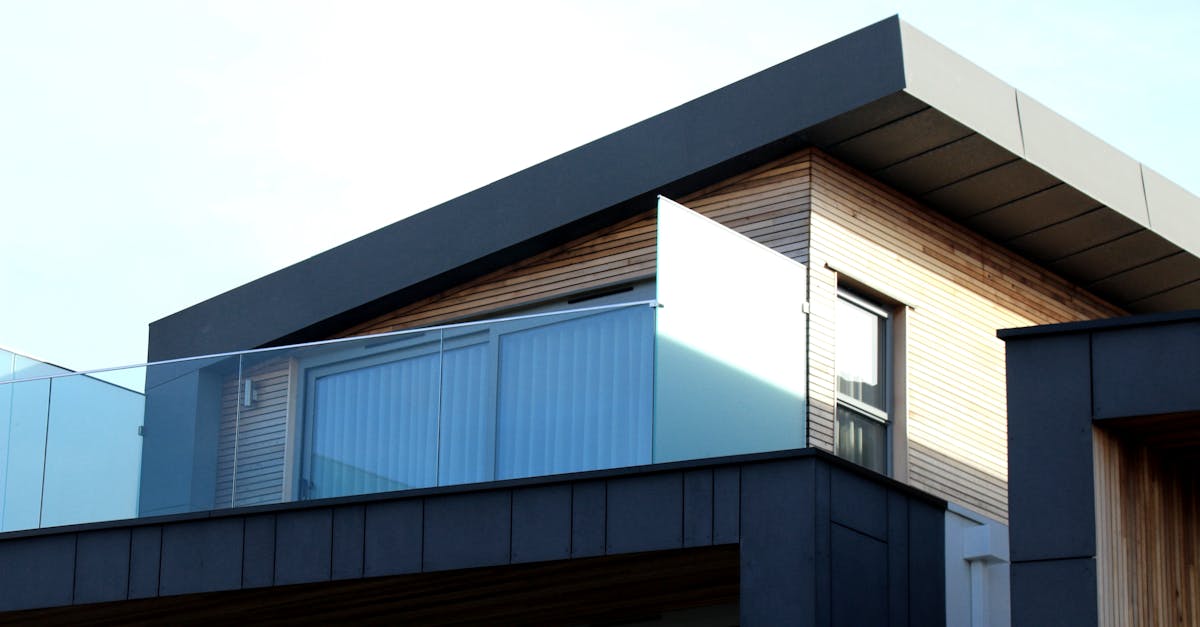
Table Of Contents
Aesthetic Flexibility of Tile Roofing
Tile roofing is often praised for its aesthetic appeal, which can greatly enhance the visual charm of a property. Available in a variety of colors, shapes, and styles, it caters to diverse architectural themes, from Mediterranean villas to Southwestern haciendas. Homeowners can choose from traditional Spanish tiles or modern flat tiles, allowing them to customize their roofs according to personal preferences and neighborhood trends. This versatility ensures that tile roofing can complement almost any home design, making it a popular choice among those looking to boost curb appeal.
In addition to its variety, the texture and material of tile roofing contribute to its aesthetic flexibility. Clay and concrete options offer distinct looks while providing durability and performance. These materials can be manufactured with finishes that mimic natural stone or other traditional roofing materials. This adaptability enables tile roofing to stand out in a crowded market while fitting seamlessly into the overall aesthetic of the home. Such qualities make it an attractive investment for homeowners aiming to achieve a unique and cohesive architectural look.
See here for more great tips.
Can Tile Roofing Match Various Architectural Styles?
Tile roofing offers a remarkable ability to complement a wide range of architectural styles. Whether a home embodies Mediterranean charm, contemporary minimalism, or rustic appeal, tile can enhance its aesthetic qualities. Available in various colors, shapes, and textures, these roofing materials provide homeowners with the freedom to match their roof to the exterior design seamlessly. The adaptability of tile allows for creative expressions while maintaining a cohesive look.
Many believe that tile roofing is limited to traditional or historic homes. In reality, modern advancements have expanded the versatility of tile, making it suitable for more than just classic designs. Contemporary structures benefit from sleek and bold tile options, while still retaining the benefits of durability and energy efficiency. This versatility helps homeowners make informed choices that align with their personal style and the overall character of their property.
Maintenance Requirements for Tile Roofing
Tile roofs are known for their durability, often lasting decades with minimal maintenance. Regular inspections are essential to ensure that the tiles remain intact and effectively shield the home from the elements. Homeowners should look for cracked or broken tiles, as these can compromise the integrity of the entire roofing system. Additionally, cleaning the roof to remove debris and moss buildup can help prolong its lifespan.
In terms of seasonal maintenance, homeowners should consider having a professional inspection performed at least once a year. This step can catch potential problems before they develop into costly repairs. After severe weather events, like heavy storms or hail, a thorough check is advisable to identify any damage early. Keeping gutters clear of obstructions will also support the overall health of the tile roof, as proper water drainage is crucial.
How Often Should Tile Roofs Be Inspected?
Regular inspections of tile roofs are essential to ensure their long-term performance and durability. Experts recommend conducting a thorough inspection at least once or twice a year. These routine checks can help identify any potential issues such as cracked or broken tiles, which can lead to more significant problems if left unaddressed. Additionally, after severe weather events, a prompt inspection is advisable to assess any damage that might have occurred.
The frequency of inspections may also depend on the specific environment and local climate conditions. Areas with heavy rain, hail, or wind may require more frequent assessments to maintain the integrity of the roof. Homeowners should also be alert to any signs of wear and tear, such as leaks or water stains on the interior ceiling, which might indicate the need for immediate inspection and repair. This proactive approach can ultimately save time and money by preventing more extensive damage.
Noise Levels Associated with Tile Roofing
Tile roofing often leads to misconceptions regarding noise levels, particularly during heavy rain. Many homeowners believe that the hard surface of tile can amplify the sound, creating a disruptive environment inside the home. However, studies show that tile roofing does not significantly increase noise compared to other roofing materials. The insulation properties of a well-constructed roof system can help minimize sound intrusion, leading to a quieter indoor experience.
In addition to material factors, the structural aspects of the roof can influence how sound is perceived. Roofs with ample insulation and proper underlayment can absorb sound effectively. This means that while the rain may create a pleasant patter on the tiles, it does not translate to an overwhelming noise inside the living space. Homeowners can enjoy the aesthetic benefits of tile roofing without the anticipated disturbance from the elements.
Do Tile Roofs Really Increase Noise from Rain?
Tile roofs are often misconceived as amplifying the sound of rain and other elements due to their materials and structure. In reality, the noise level depends on various factors including the roof's pitch, the underlying insulation, and the overall design of the building. While tile can produce a distinct sound, it's typically not as pronounced or disruptive as some homeowners may fear.
Moreover, many homeowners find that the insulating properties of tile roofing mitigate noise effectively. When paired with proper underlayment and insulation, the overall sound transmission is reduced, resulting in a much quieter interior than expected. Therefore, rather than increasing noise levels, tile roofs can be designed to enhance comfort within the home.
FAQS
What are the main benefits of tile roofing?
Tile roofing offers numerous benefits, including durability, aesthetic flexibility, energy efficiency, and low maintenance. They can withstand harsh weather conditions and can last for decades when properly installed and maintained.
Is tile roofing suitable for all climates?
Yes, tile roofing is suitable for various climates. They perform well in hot, sunny areas due to their reflective properties and can also endure cold and wet conditions, although in regions with heavy snowfall, proper installation is crucial to prevent ice buildup.
Are tile roofs heavy?
Tile roofs are indeed heavier than some other roofing materials, such as asphalt shingles. It is important to ensure that the structure of your home can support the additional weight of tile roofing before installation.
Can tile roofs be installed over existing roofing?
While it is possible to install tile roofs over existing roofing, it is generally recommended to remove the old roofing material for better adherence, inspection of the underlying structure, and to ensure proper drainage.
What is the lifespan of a tile roof?
Tile roofs can last anywhere from 50 to 100 years, depending on the material quality, installation, and maintenance. Regular inspections and maintenance can significantly extend the lifespan of a tile roof.
Related Links
Innovative Tile Roofing Technologies and TrendsThe Best Tile Roofing Styles for Different Climates